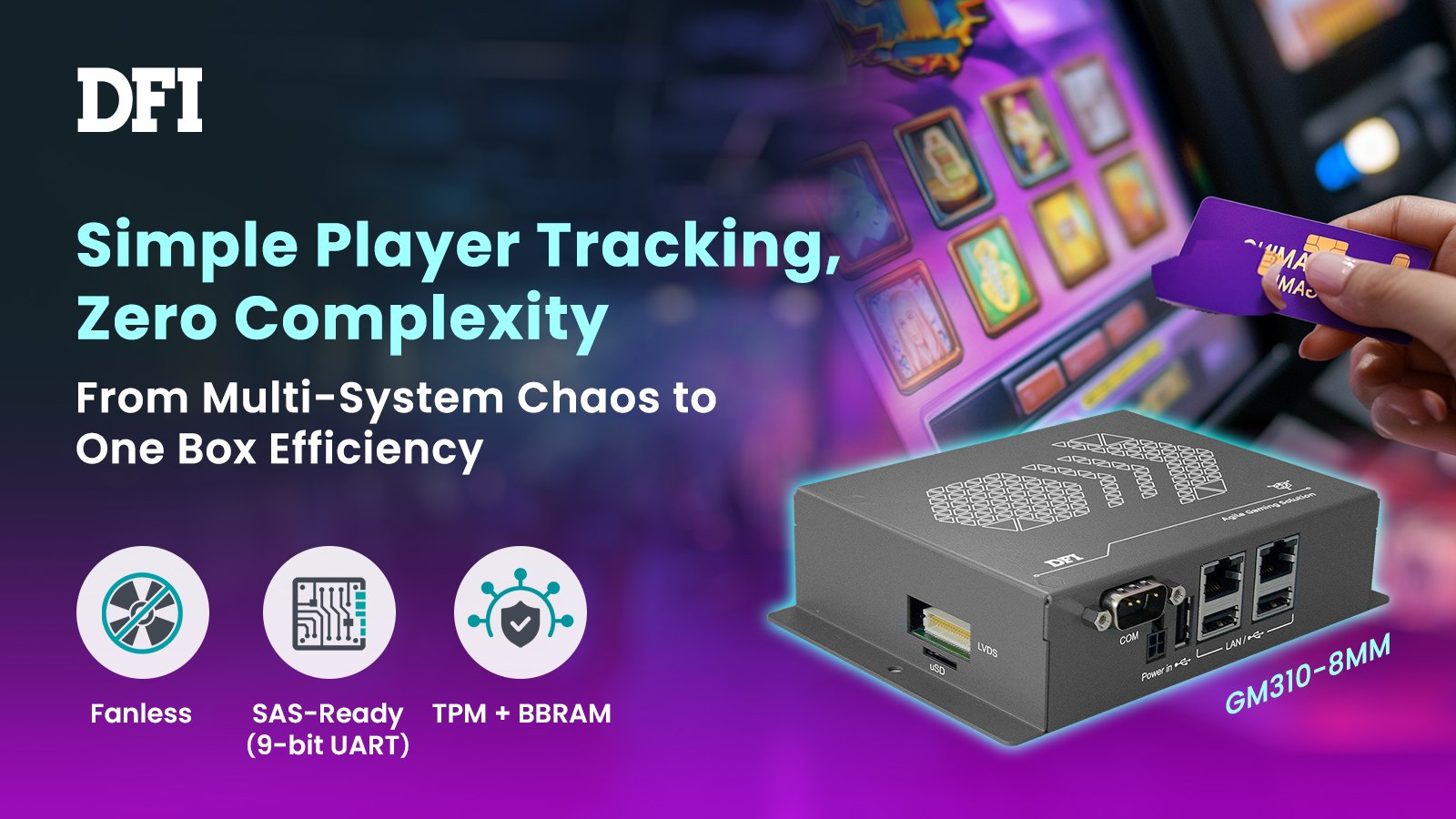
Player tracking is accelerating fast worldwide—one major market study by Grand View Research projects the global Casino Management System (CMS) market to reach USD 21.82B by 2030, with Player Tracking being a core catalyst for this digital transformation. As casino operations digitalize, the expectation is clear: real-time visibility, streamlined deployment, and stronger data protection—without adding integration burden.
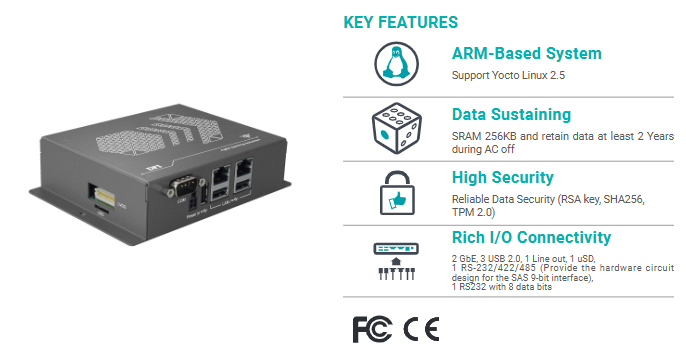
GM310-8MM delivers exactly that as a turnkey edge Player Tracking System (PTS) built on a compact, fanless Box PC. It’s designed for faster floor rollouts with practical casino I/O (dual GbE, USB, serial), SAS-ready 9-bit serial hardware (UART 9-bit mode; circuit provided) for SAS-based integrations via customer/third-party software stacks, plus TPM 2.0 security and 256KB battery-backed SRAM with at last 2 years data retention to protect critical records through power loss.
Download Datasheet
Still playing the old game with PTS deployments?

1. Old Game Slow & Complex Rollouts
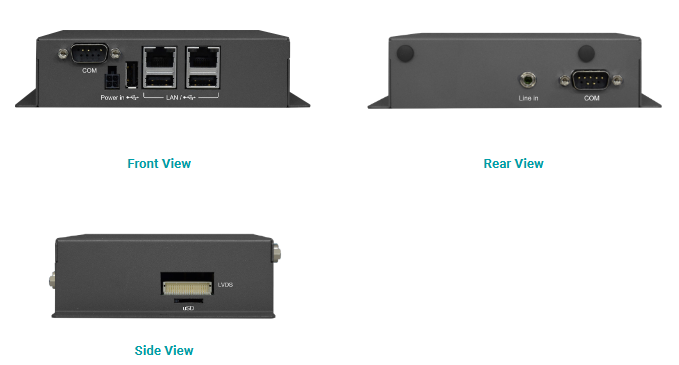
Legacy PTS setups often require multiple components and complex wiring, which can slow deployment. Powered by the NXP® i.MX 8M Mini applications processor, GM310-8MM consolidates everything into a single compact, fanless edge node (143 × 100 × 35 mm), designed for 24/7 operation in -5°C to 60°C environments with 12–24V DC input—simplifying integration and enabling reliable, standardized rollouts across gaming machines. 2. Integration Frictions
Casino environments need reliable, compatible connectivity. GM310-8MM provides dual GbE (2× RJ45), multiple USB, and RS-232/422/485 with a SAS-ready 9-bit hardware interface (UART 9-bit mode; circuit provided) for SAS-based integration via customer or third-party software stacks. On-board eMMC (up to 64GB) ensures stable boot and local buffering, simplifying deployment. 3. Data Risk
Player and operational data demand protection and continuity. GM310-8MM adds TPM 2.0 (RSA/SHA256) for stronger data security, and battery-backed SRAM (≥2 years retention) to preserve critical records during power events—supporting reliable, always-on operations.